
A corporate brand activation is a live, interactive experience designed to get an audience to engage directly with a brand, rather than simply see an advertisement for it. Instead of a billboard or a video ad, a brand activation puts people inside an experience: a product demo they can touch, a booth they can walk through, an activity they can join. In Saudi Arabia, where consumer attention is split across dozens of channels, and government-backed events are drawing record crowds, brand activations have become one of the most reliable ways to make an impression that actually sticks.
This guide breaks down what brand activations are, why they outperform passive advertising for engagement, how to structure one around real business goals, and what separates a memorable activation from an expensive party.
A corporate brand activation is a live marketing experience built around direct audience participation. The goal is engagement, not just exposure. People do not watch a brand activation from a distance. They interact with it: sampling a product, playing an interactive game, joining a demo, or exploring an immersive brand environment.
This is the core difference between an activation and traditional advertising. A TV ad, a billboard, or a sponsored social post asks an audience to notice a brand. A brand activation asks an audience to spend time with it. That shift, from noticing to participating, is what makes activations a different marketing tool entirely.
Sponsorships sit somewhere in between. Sponsoring a football match or a music festival puts a brand's name in front of an audience, but it does not necessarily create a direct interaction. A brand activation can happen inside a sponsorship (a branded fan zone at that same match, for example), but the sponsorship itself is not the activation. The activation is the interactive layer built on top of it.
For businesses operating in Saudi Arabia, this distinction matters. Vision 2030 has accelerated the number of large-scale public events, from Riyadh Season to regional festivals to major exhibitions like Cityscape Global. Brands that show up with a passive booth or a static banner get lost in that environment. Brands that build something people can actually do tend to be the ones people remember and talk about afterward.
Live events create stronger engagement because participation builds memory in a way that passive viewing does not. When someone acts, decides, or physically does something during a brand experience, that moment is encoded differently than a scrolled-past ad.
This shows up across several dimensions:
Emotional connection. People form associations with brands based on how an experience made them feel, not just what it told them. A well-designed activation creates a positive emotional moment tied directly to the brand name.
Brand recall. Multisensory, interactive experiences are easier to recall later than static messaging. Someone who tried a product at a live activation is more likely to remember the brand name weeks later than someone who scrolled past its ad.
Customer trust. Direct interaction lets people evaluate a product or service on their own terms, without a script. That sense of "I tried it myself" builds more trust than a claim made in an advertisement.
Participation. Activations are opt-in by nature. Nobody is forced to walk into a pop-up experience or try a demo. The people who do engage are self-selecting into a higher level of attention than a typical ad audience.
Social sharing. Experiences that are visually distinctive or genuinely enjoyable get photographed and shared. This extends reach organically, well beyond the physical footprint of the event.
Word-of-mouth. A good activation gives people something specific to describe to others. "There was a brand doing X at the mall this weekend" travels further than "I saw an ad for X."
Purchase consideration. Hands-on product experience shortens the distance between awareness and purchase intent, particularly for categories where people want to see, touch, or test something before buying.
None of this means activations replace other marketing channels. It means they do a specific job that other channels cannot: converting passive awareness into active, remembered engagement.
Different activation formats suit different objectives, audiences, and budgets. Here is a practical breakdown of the most common formats used across Saudi Arabia's commercial and government sectors.
|
Activation Type |
Best For |
Typical Setting |
|
Product launches |
Introducing a new product with maximum first impression |
Retail venues, standalone events, exhibitions |
|
Pop-up experiences |
Short-term, high-impact brand presence in high-traffic areas |
Malls, retail districts, seasonal events |
|
Mall activations |
Reaching a broad consumer audience in a controlled environment |
Shopping malls across major cities |
|
Festival activations |
Reaching large, engaged crowds already in an entertainment mindset |
Riyadh Season, regional festivals |
|
Roadshows |
Reaching multiple cities or regions with one campaign |
Mobile setups touring different locations |
|
Interactive exhibitions |
B2B or public sector engagement with detailed information needs |
Exhibition centers, conference venues |
|
Sampling campaigns |
Driving product trial for FMCG and consumer goods |
Retail, malls, events |
|
Sports sponsorship activations |
Reaching passionate, high-attention audiences |
Stadiums, sporting events |
|
Government awareness campaigns |
Public education and civic engagement |
Public spaces, national events |
|
CSR initiatives |
Building brand goodwill tied to a social cause |
Community events, public spaces |
A product launch works best when the priority is a strong first impression and media coverage. A mall activation works better for sustained, everyday consumer reach over several weeks. A roadshow makes sense when a brand needs presence across multiple cities without the cost of building several standalone events. The right format depends on the audience you need to reach and the objective behind the campaign, not on what looks most impressive.
Brand activations are often planned around a single vague goal: "brand awareness." That is a mistake. Awareness is one possible objective among many, and different objectives call for different activation designs.
Brand awareness. Useful when entering a new market or launching a new product line. The activation is designed for maximum footfall and visibility.
Lead generation. Common for B2B, real estate, and financial services. The activation is designed to capture contact details in exchange for a valuable interaction, such as a consultation or a demo.
Product education. Useful for complex or new-to-market products. The activation gives people hands-on time to understand how something works, which advertising alone cannot do.
Customer acquisition. Retail brands often use activations to convert first-time trial into a first purchase, sometimes with an on-site offer.
Community engagement. Government organizations and real estate developers use activations to build local goodwill and gather public input on a project or initiative.
Employee engagement. Corporate activations aren't always public-facing. Internal brand activations can build culture and reinforce company values among staff.
Investor engagement. Real estate developers in particular use activation-style experiences to give investors a tangible sense of a project before it is built.
Public awareness. Government initiatives use activations to communicate policy changes, safety campaigns, or civic programs in a way that reaches people beyond traditional media.
A practical scenario: a real estate developer launching a new residential project in Riyadh might combine an interactive exhibition (to walk investors through the development virtually) with a lead generation goal (capturing contact details from serious prospects) rather than a pure awareness play. The objective shapes every other decision in the activation, from format to venue to staffing.
ROI from a brand activation should never be measured by attendance numbers alone. Attendance tells you how many people showed up. It does not tell you whether the campaign worked.
A more complete measurement framework looks at:
The most important point here: ROI extends beyond immediate sales. A government awareness campaign may never generate a single "sale," but if it measurably shifts public understanding of a policy, it has delivered real ROI against its actual objective. Businesses that only track short-term sales lift often undervalue activations that are doing long-term brand-building work.
A successful activation is the result of several elements working together, not one clever idea executed well in isolation.
Clear objectives. Every design decision should trace back to a specific, agreed goal. Without this, teams end up building an experience nobody asked for.
Audience understanding. Knowing who is actually going to walk through the space, what they care about, and what would make them stop matters more than any creative concept.
Creative concept. The idea has to be distinctive enough to earn attention in a crowded environment, but the concept should serve the objective, not the other way around.
Interactive experiences. The activation needs an actual activity, not just branded décor. People need something to do.
Technology integration. Screens, apps, AR, or data capture tools should add to the experience, not complicate it. Technology for its own sake tends to slow visitor flow down.
Brand consistency. Every touchpoint, from signage to staff uniforms to the tone of conversation, should feel like the same brand a visitor knows from other channels.
Event logistics. Visitor flow, queueing, layout, and timing determine whether an experience feels premium or chaotic, regardless of how good the concept is.
Staff training. The people running the activation are the brand for the duration of the event. Poorly briefed staff can undo a strong concept in seconds.
Measurement planning. Data collection has to be built into the activation from the start. Trying to retrofit measurement after the event has already happened rarely works.
These elements are interdependent. A brilliant creative concept with poor logistics creates long queues and frustrated visitors. Well-trained staff with no clear objective cannot tell you whether the day was a success. Successful activations treat all nine elements as one integrated plan, not a checklist to tick off separately.
Most activation failures are not about bad ideas. They are about process gaps that show up during planning or on event day.
The pattern across nearly all of these is a gap between the creative idea and the operational plan behind it. A concept can be excellent on paper and still fail on the ground if logistics, staffing, and follow-up were not built into the plan from day one.
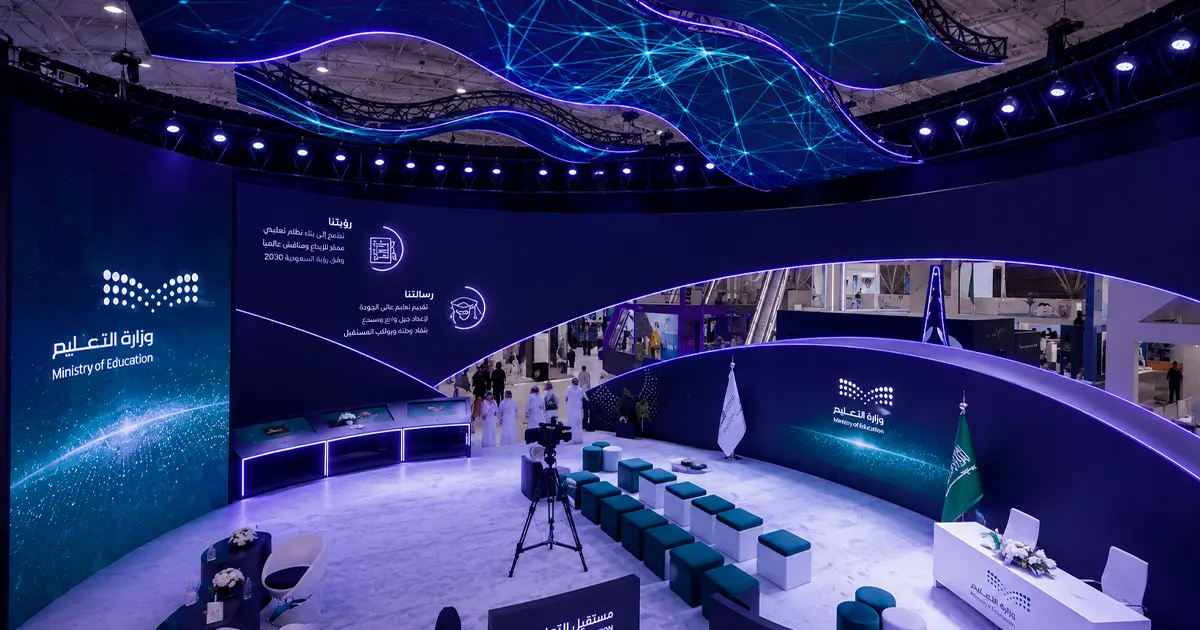
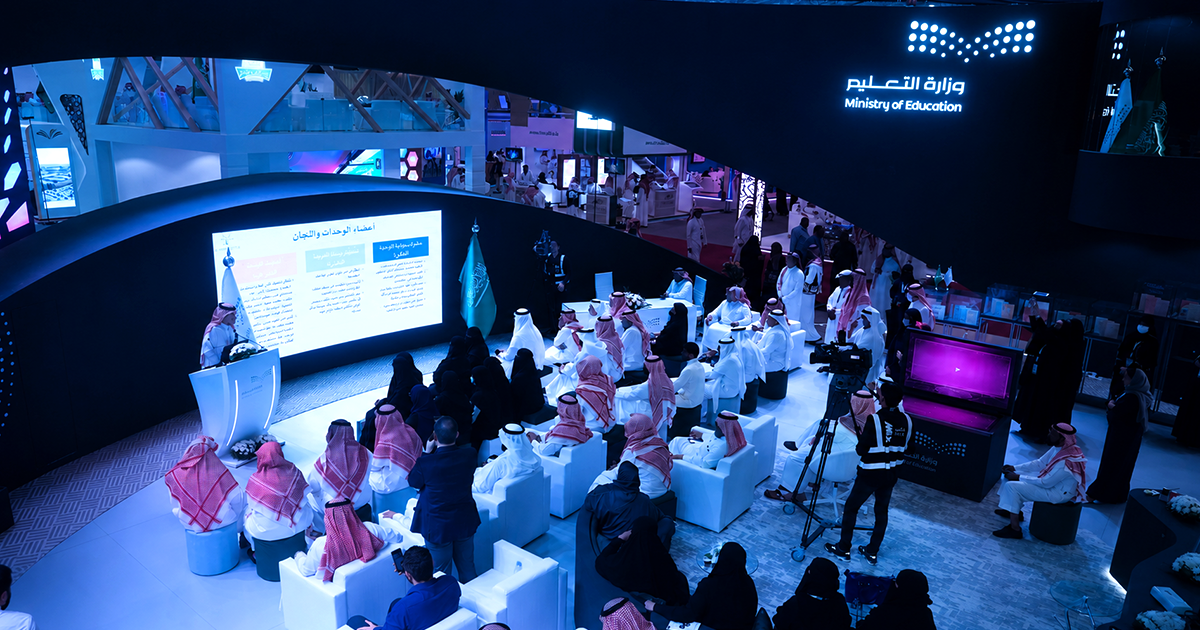
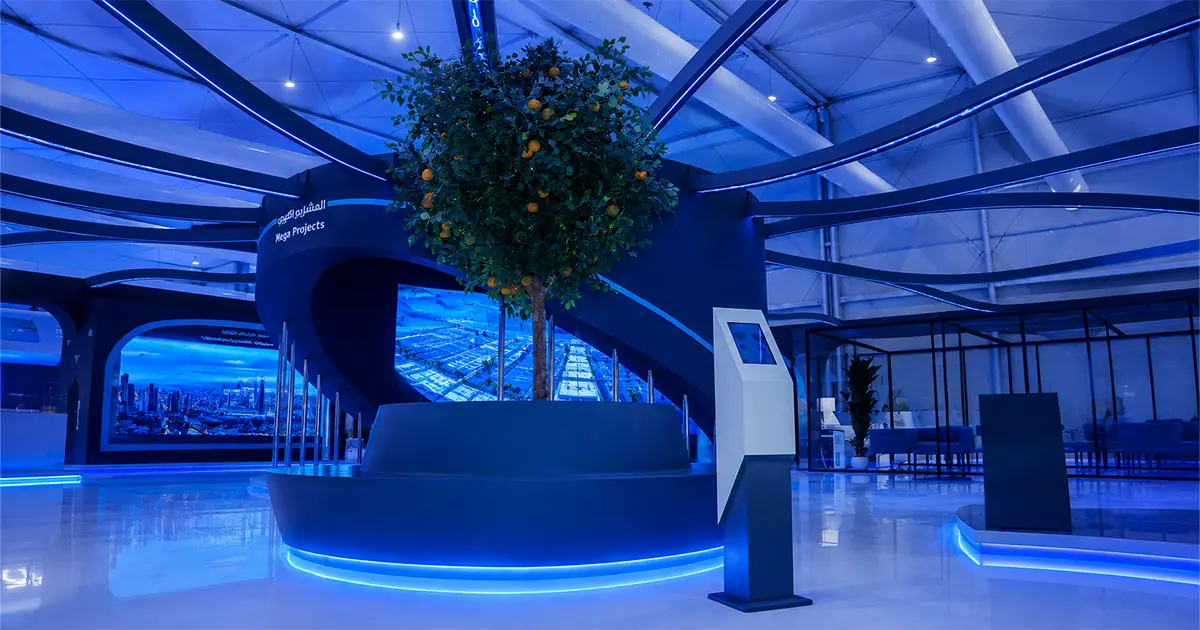
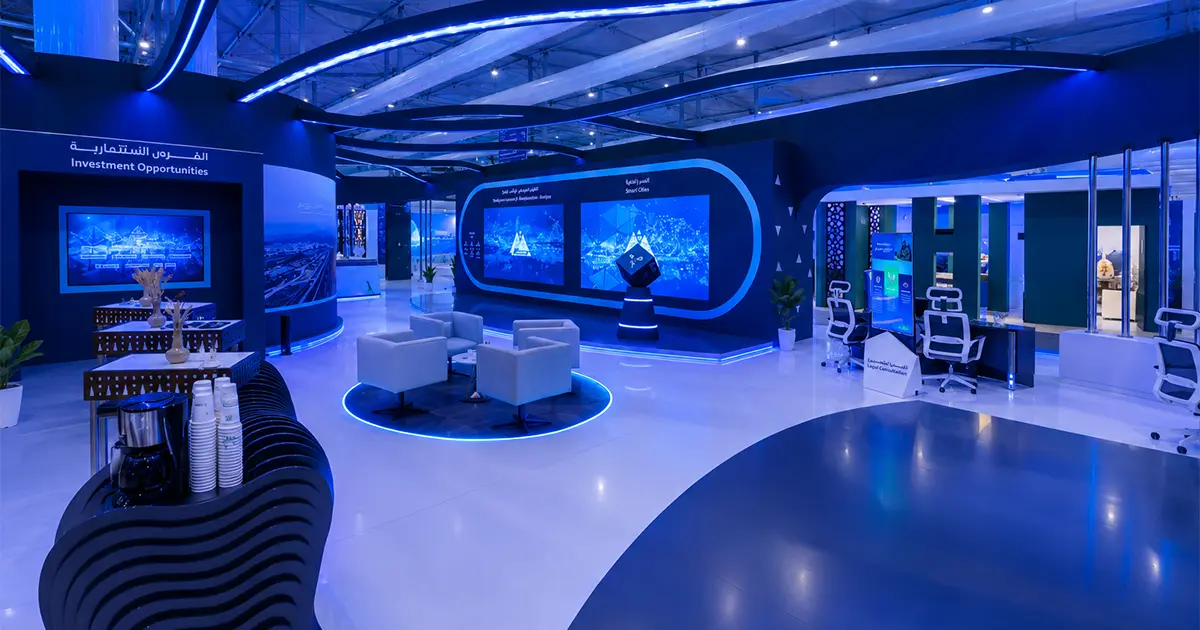
Interactive exhibition engagement. At Cityscape Global 2024, MIX supported the Hail Region Municipality's presence with an interactive exhibition environment designed around visitor engagement rather than static display. Instead of a conventional booth with signage and brochures, the space was built to encourage exploration and conversation, giving visitors a reason to stop, engage with the material, and talk with the team on-site. This reflects a broader shift in exhibition design across Saudi Arabia's exhibition sector: static booths are giving way to interactive environments because they hold attention longer and generate more meaningful conversations with visitors.
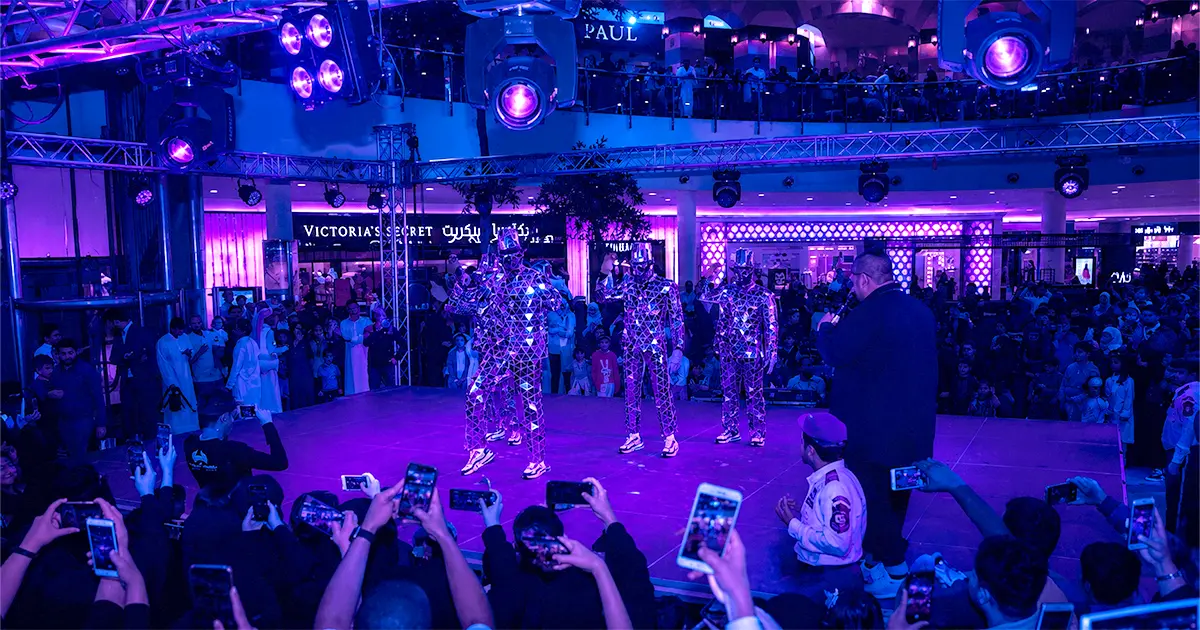
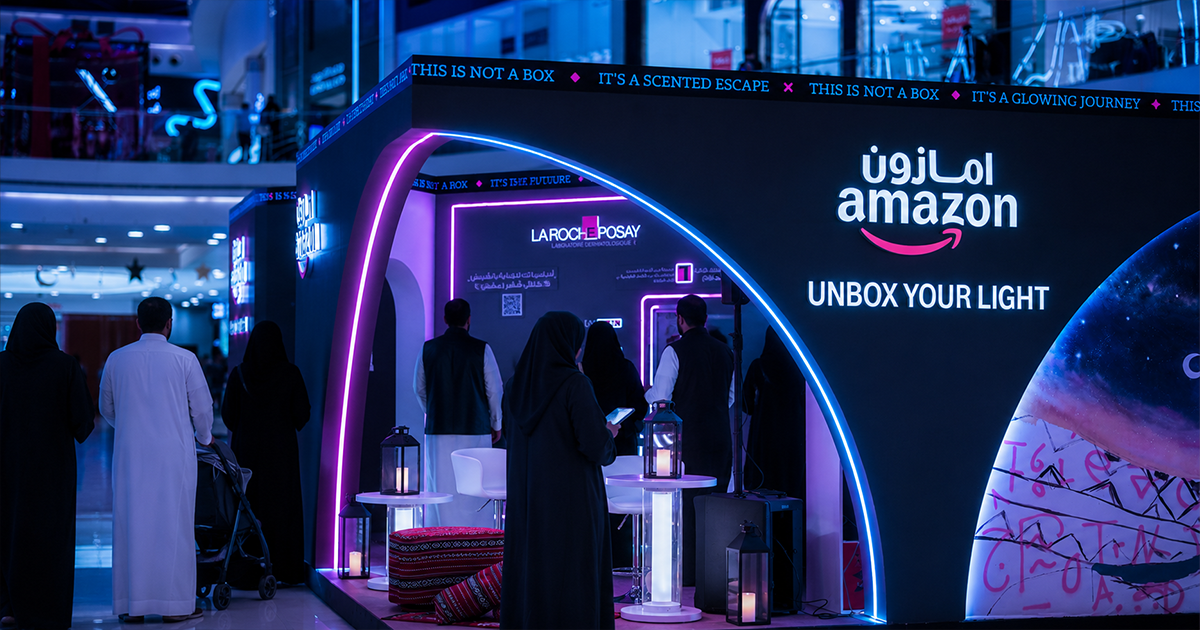
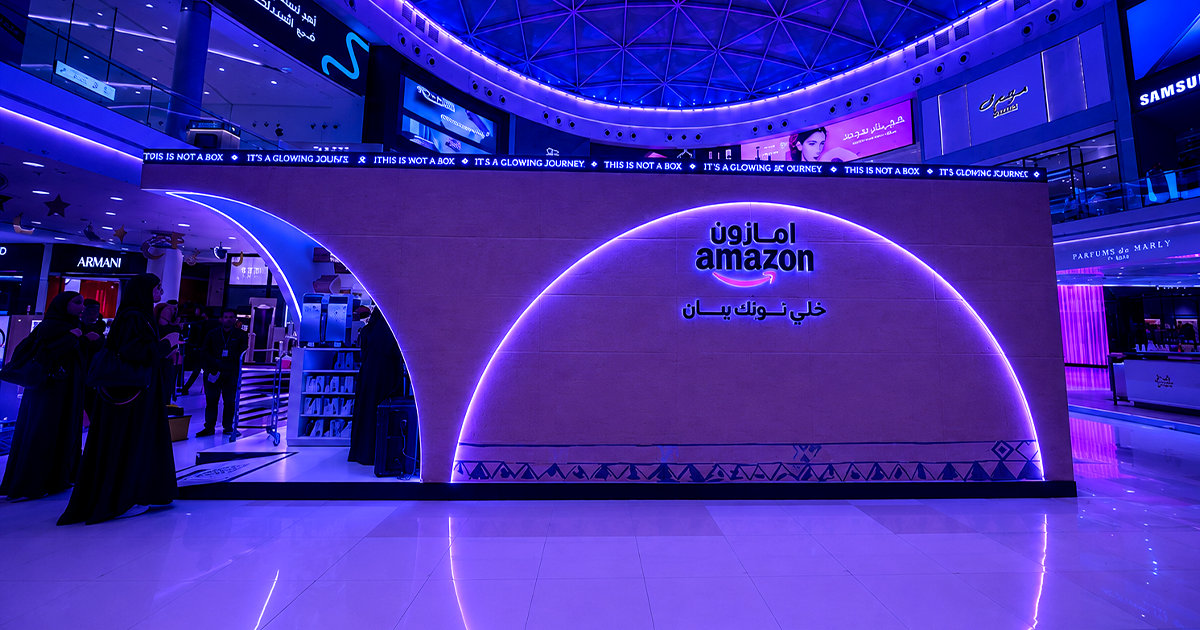
Mall-based sampling activation. A common format across Riyadh and Jeddah malls is the sampling activation, where an FMCG or retail brand sets up a compact interactive station near high-traffic entrances. These formats work because they intercept people who are already in a buying mindset, and the low-commitment nature of a free sample or a quick demo lowers the barrier to engagement significantly compared to a full-scale event.
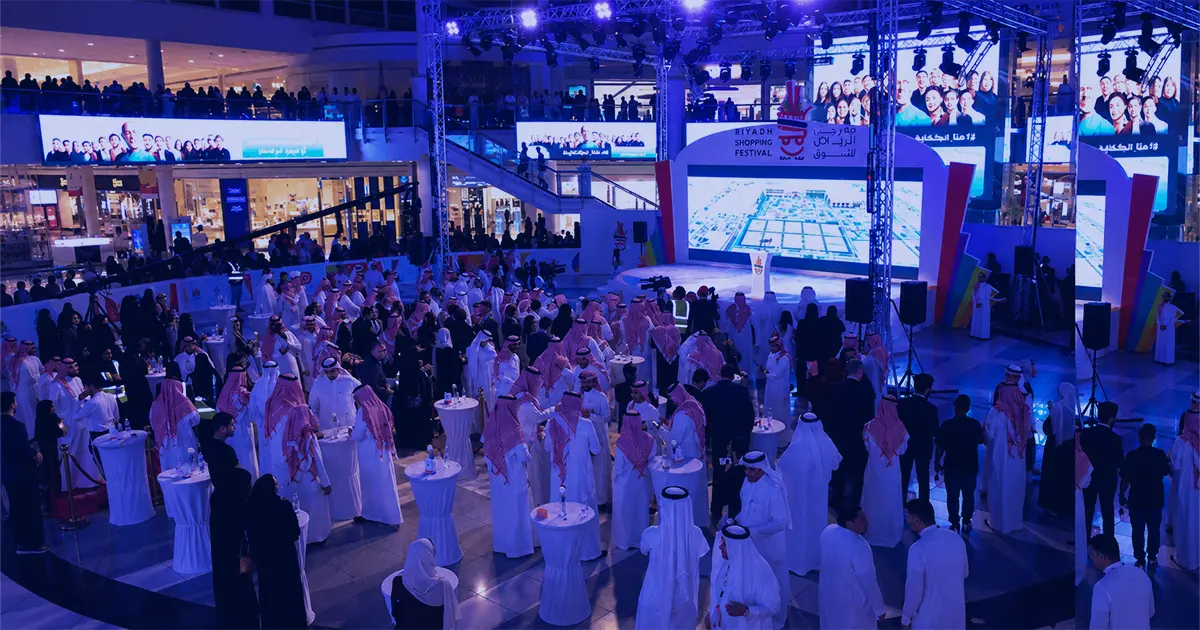
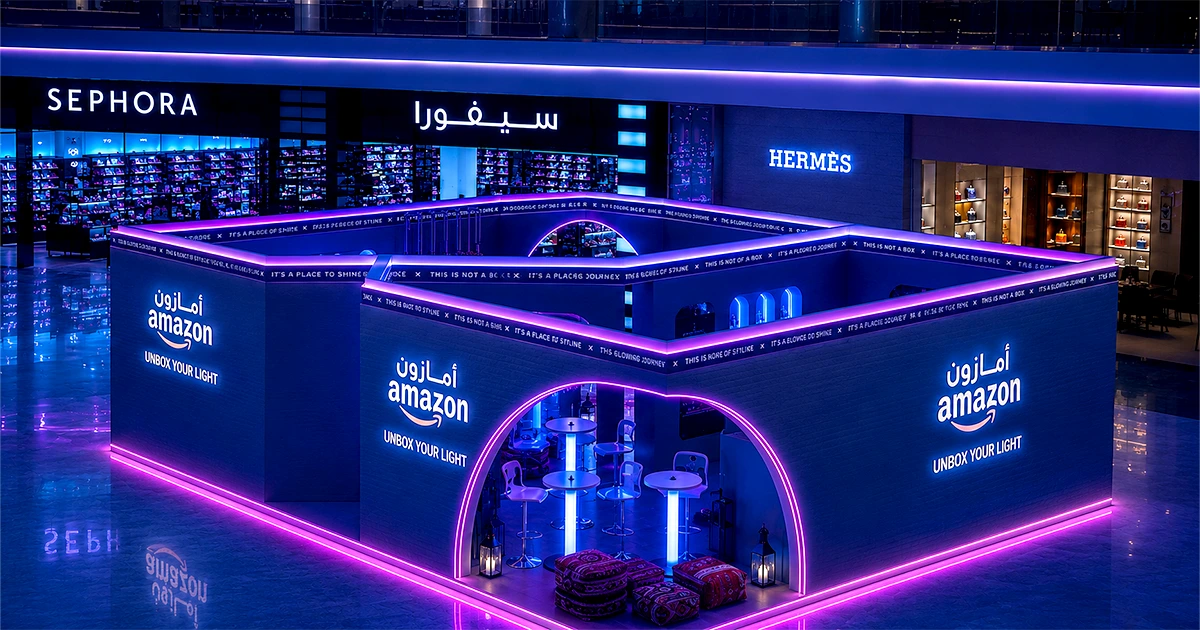
Festival-based brand activation. Large-scale entertainment festivals such as Riyadh Season have become a proving ground for brand activations that combine entertainment value with brand messaging, for example, an interactive game or photo experience tied to a sponsor's product. These formats succeed when the brand experience feels native to the festival's entertainment tone, rather than feeling like an advertisement dropped into an entertainment space.
Businesses work with experienced event management partners because a successful activation requires coordinated expertise across strategy, creative, production, and measurement- areas that rarely exist together inside a single internal marketing team.
Strategic planning. An experienced partner starts from the business objective, not the creative concept, and works backward into a design that actually serves it.
Creative development. Agencies bring concept development experience across formats and industries, which shortens the distance between a vague brief and a workable idea.
Event production. Sourcing venues, vendors, materials, and building teams on tight timelines is a specialized skill, particularly in markets like Saudi Arabia where regulatory approvals and venue logistics vary by city and event type.
Technology integration. Partners who have implemented AR, data capture, and interactive tech before know what actually works under live event conditions, not just in a demo.
Audience engagement. Experienced teams understand crowd behavior, dwell time, and visitor psychology in ways that directly shape layout and staffing decisions.
Vendor management. Coordinating multiple vendors, from AV to catering to security, requires relationships and oversight that internal teams rarely have the bandwidth to manage well.
Risk reduction. Permits, safety compliance, weather contingencies, and crowd management are all easier to get right with a partner who has managed them before.
Measurement. An experienced partner builds data collection into the activation from the start, rather than treating it as an afterthought.
The right way to think about an event management company is as a strategic partner, not a vendor that executes a brief. The best outcomes happen when the partner is involved from the objective-setting stage, not brought in after the concept is already locked.
Several trends are shaping how brand activations are designed and delivered across Saudi Arabia.
AI-powered experiences. From AI-generated personalized content to conversational kiosks, AI tools are being used to make interactions feel tailored to each visitor rather than generic.
Immersive technology. AR and VR are increasingly used to let visitors experience products, spaces, or scenarios that would be impractical to build physically, particularly useful for real estate and large-scale infrastructure projects.
Hybrid activations. Combining physical events with livestreamed or digital components extends reach beyond the people who can attend in person.
Gamification. Turning brand interaction into a game or challenge increases dwell time and gives visitors a clear reason to participate.
Personalization. Data captured at the point of entry is increasingly used to tailor the experience a visitor has as they move through an activation.
Sustainability. Reusable materials, waste reduction, and sustainable production practices are becoming a stronger factor in how activations are designed, particularly for government and CSR-driven campaigns.
Data-driven engagement. Real-time data capture is being used not just for post-event reporting but to adjust an activation while it is still running.
Interactive digital experiences. Touchscreens, apps, and connected devices are being used to extend an activation's life beyond the physical event, letting visitors continue engaging with a brand after they leave.
These trends are converging on one theme: activations are becoming more measurable and more personalized, not just more visually impressive. That shift matters most for businesses in Saudi Arabia, where the volume of public events is growing fast enough that visual spectacle alone is no longer enough to stand out.
Live brand activations build a kind of audience engagement that traditional advertising cannot replicate, because they ask people to participate rather than simply observe. That participation drives stronger emotional connection, better recall, and more organic word-of-mouth than a passive ad ever will.
The businesses that get the most from activations are the ones that treat them as strategic marketing investments, built around clear, measurable objectives, rather than standalone entertainment. Every format, from a mall sampling station to a full exhibition environment, should be chosen because it serves a specific business goal, not because it looks impressive.
MIX Events works with marketing teams, government organizations, and real estate developers across Saudi Arabia to design and deliver live experiences that are built around measurable outcomes from the first planning conversation.
If you are preparing a brand activation and want a partner who can take it from concept through production, speak with MIX Events about your activation.
What is a corporate brand activation?
A corporate brand activation is a live, interactive marketing experience designed to get an audience to engage directly with a brand, rather than passively view an advertisement for it.
What is the difference between experiential marketing and brand activation?
Experiential marketing is the broader discipline of building marketing around live, participatory experiences. A brand activation is a specific execution within that discipline, such as a single event, pop-up, or campaign.
How do live events increase audience engagement?
Live events increase engagement by involving people directly through participation, which creates stronger emotional connection, better recall, and more social sharing than passive advertising formats.
What are examples of successful brand activations?
Common examples include product launch events, interactive exhibition environments, mall-based sampling campaigns, and festival activations that combine entertainment with brand messaging.
How do companies measure the ROI of brand activations?
ROI is measured through a combination of metrics including qualified leads, product demonstrations, social engagement, brand recall studies, media coverage, and conversion rates, not attendance numbers alone.
Are brand activations suitable for B2B companies?
Yes. B2B companies use activations for lead generation, product education, and investor engagement, particularly at exhibitions and industry events where decision-makers are already present.
How much does a corporate brand activation cost?
Cost depends on scale, format, venue, and technology involved. A mall sampling activation and a multi-day exhibition environment sit at very different budget levels, which is why defining objectives early helps determine the right scope.
Why hire an event management company for brand activations?
An experienced event management partner brings strategic planning, creative development, production capability, and measurement expertise that most internal marketing teams cannot replicate on their own, while also reducing operational and compliance risk.
.png )
.png )

.png )
.png )
.png )