
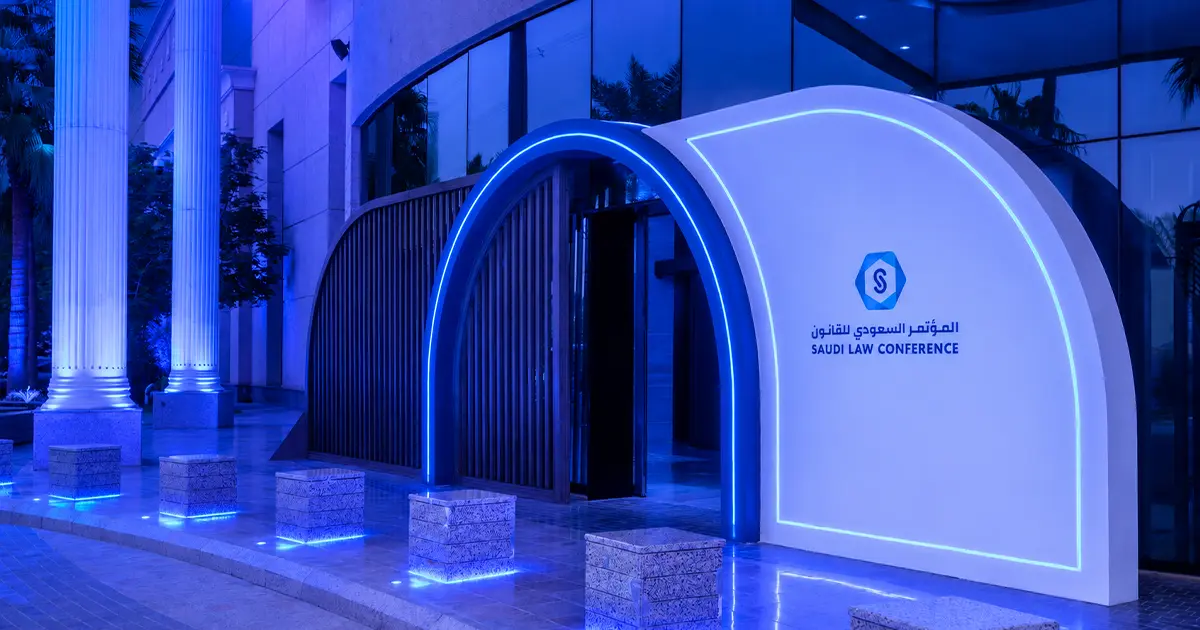
Riyadh is generally the stronger choice for government, corporate, B2B, and decision-maker-focused conferences, while Jeddah can be the better fit for international, Western-region, trade, and destination-oriented events. Neither city is universally better. The right choice depends on your audience, event objectives, budget, accessibility requirements, venue needs, and the experience you want to create.
Riyadh and Jeddah are two of Saudi Arabia’s strongest destinations for conferences and corporate events, but they offer different advantages. Riyadh is closely tied to the Kingdom’s government, corporate, and business ecosystem, while Jeddah offers strong international connectivity, hospitality, and destination appeal.
In this guide, we compare Riyadh and Jeddah across accessibility, conference venues, costs, accommodation, business audiences, and attendee experience to help you decide which city is the better fit for your next conference.
There is no universal answer to whether Riyadh or Jeddah is the better host city. The right choice depends on your event's purpose, target audience, budget, and the experience you want attendees to have.
Riyadh, as the capital, carries a stronger concentration of government institutions, corporate headquarters, and business decision-makers, suiting conferences with a policy, government, or B2B focus. Jeddah has long served as Saudi Arabia's gateway city, with deep roots in trade, hospitality, and international travel; its Red Sea location and tourism sector suit events where destination appeal and attendee comfort matter as much as the agenda.
Both cities offer solid accessibility, developed accommodation, and growing event venues, so the decision usually comes down to who you're trying to reach and what atmosphere supports your event goals.
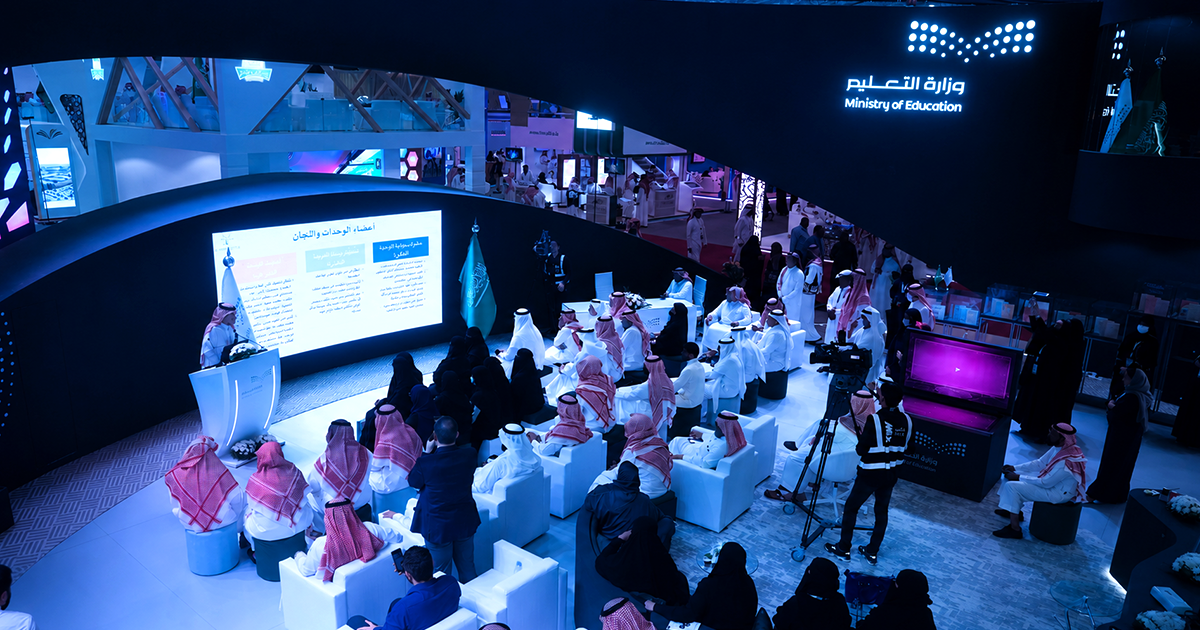
Riyadh has grown rapidly as a business and government hub, and that shows in its conference infrastructure. If your event depends on reaching corporate decision-makers, government stakeholders, or industry leaders based in the capital, Riyadh events are often the practical choice.
Riyadh tends to work well for government and public sector conferences, corporate forums, executive meetings, policy-focused industry summits, large-scale business conferences, and product launches aimed at government or enterprise buyers.
The city's concentration of ministries, regulatory bodies, and corporate headquarters makes it easier to draw in decision-makers already based there, and business travelers benefit from direct domestic connections from most major Saudi cities plus an expanding roster of international routes.
Jeddah brings a different set of advantages, particularly for events that need to draw an international or western-region audience, or where attendee experience matters as much as the agenda.
Jeddah tends to work well for international conferences, business events targeting western-region audiences, networking-focused events where hospitality matters, destination-driven gatherings and retreats, and trade or commerce-related conferences tied to the city's history as a business gateway.
Jeddah's coastal setting along the Red Sea, combined with its established hotel infrastructure and hospitality culture, gives it an edge for events where you want attendees to associate the conference with a memorable destination, not just a meeting room. Its long history as an international arrival point also means the city is well practiced at hosting visitors from outside the Kingdom.
Both cities are served by major international airports, but the practical experience differs by where your attendees are traveling from. Riyadh's King Khalid International Airport is well connected domestically, benefiting events drawing attendees from across the Kingdom. Jeddah's King Abdulaziz International Airport has historically handled heavy international traffic, giving it strong connectivity for attendees arriving from abroad.
Within the city, traffic patterns and distance between the airport, hotel districts, and your venue all affect the attendee experience. A venue that looks convenient on a map can still frustrate attendees if transfer times run long during peak hours. When comparing conference venues near me searches in either city, map realistic transfer times rather than relying on straight-line distance, and confirm parking early, especially for VIP guests or exhibitions with heavy equipment.
Both Riyadh and Jeddah have expanded their venue ecosystems considerably, but the character of the available spaces differs. how to choose the right venue in Riyadh or Jeddah
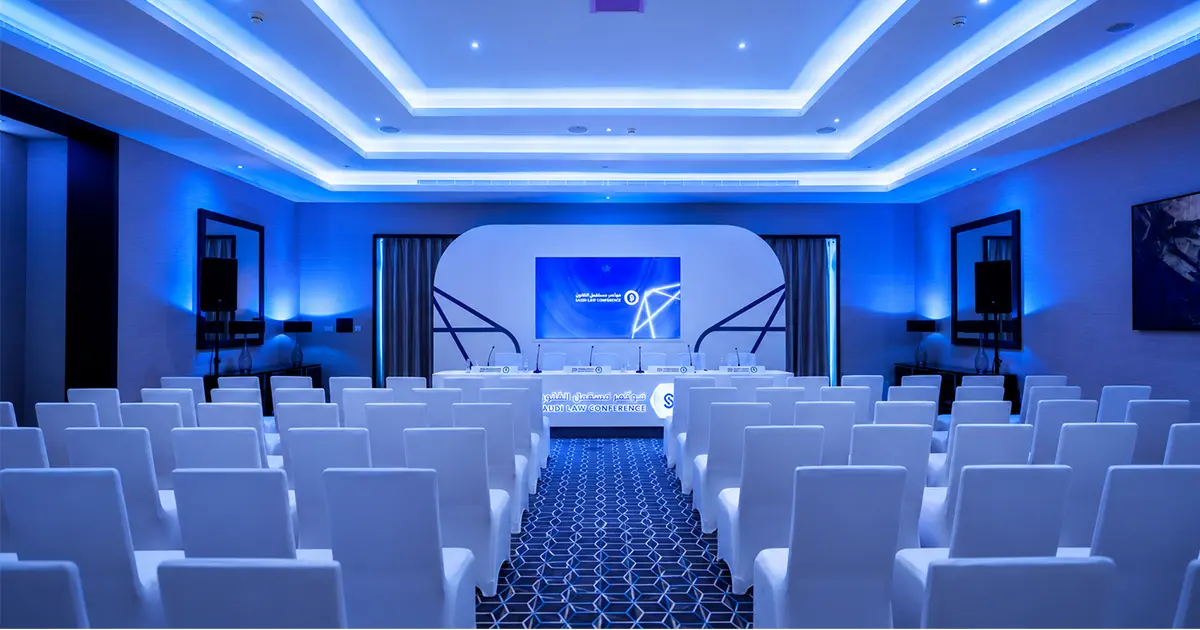
Riyadh offers a growing range of conference centers, hotel ballrooms, and corporate event venues designed for business audiences, from mid-sized conference rooms to larger halls built for industry conferences and exhibitions, many near business districts. Jeddah's venue landscape leans more heavily on hotel-based event spaces and hospitality-oriented conference rooms, often with the coastal setting factored in, suiting conferences that pair the formal agenda with a networking dinner or gala.
In both cities, venue availability, capacity, technical facilities, and proximity to accommodation should be weighed against your event's requirements before locking in a location. A venue that photographs well isn't automatically the right fit if it can't support your AV needs or seat your full attendee list.
Neither city can be labeled as universally cheaper. Total event cost depends on factors that shift with your event's size, timing, and requirements: venue rental, accommodation, catering, audio visual and production needs, staffing, transportation and transfers, entertainment, and event technology such as registration and hybrid streaming tools.
Rather than assuming one city is the budget-friendly option, build a cost estimate based on your actual event specifications in each location and compare the two directly.
Accommodation should be planned alongside your venue selection, not as a separate decision made afterward. The distance between your hotel block and your venue directly affects attendee convenience, transportation costs, and how smoothly your event day runs.
Both cities offer hotel options suited to corporate travel, from business-focused properties to higher-end accommodation for VIP guests and speakers. For international attendees, proximity to the airport matters as much as the hotel's amenities. For multi-day conferences, keeping accommodation close to the venue reduces friction and keeps attendance consistent across sessions.
The audience you're trying to reach should carry significant weight in your city decision. Riyadh's concentration of government institutions and business leaders makes it a natural draw for events targeting policy influence or regulatory decision-makers. Jeddah's audience tends to skew toward international visitors and western-region attendees who may not travel to Riyadh for a single event, so if a meaningful share of your invitee list is international, Jeddah can support stronger turnout.
Attendee experience extends beyond the conference room. Travel convenience, hotel quality, dining, and what attendees can do outside the formal agenda all shape how an event is remembered. Riyadh offers a fast-growing dining and entertainment scene alongside its business infrastructure, giving attendees options for evening networking. Jeddah's coastal setting and hospitality-driven culture lend themselves to a more relaxed atmosphere, which can matter for conferences that include a gala or extended stay. Neither approach is inherently better; it depends on whether attendees want a tightly focused agenda or one that pairs business with destination appeal.
These are general patterns, not fixed rules. Your specific audience and objectives may point toward a different conclusion.
A structured comparison removes guesswork. Before committing to a city, evaluate:
Working through this checklist with your event management partner before finalizing a city can prevent costly changes later in the planning process.
Deciding between Riyadh and Jeddah is rarely a simple either-or choice, and it shouldn't rest on a single factor like venue price or airport proximity. An experienced event management company brings ground-level knowledge of both cities, including venue availability, realistic cost ranges, and logistics that aren't obvious from afar.
A strong event partner can support city and venue selection, venue negotiations, budget planning, site inspections, production, logistics, catering, guest management, and on-site execution. Rather than simply recommending one city, a good partner helps you weigh the tradeoffs against your objectives.
A few shifts are worth factoring in. Hybrid formats, combining in-person attendance with remote streaming, reduce the pressure to choose a city on physical accessibility alone, since part of your audience may attend virtually. AI-driven event technology, from registration to real-time translation, is narrowing some practical gaps between cities. Sustainability expectations are becoming a more common factor in venue selection, and demand for premium, experience-driven formats continues to favor destinations with strong hospitality infrastructure. These trends don't eliminate the need to choose the right city, but they do mean the decision increasingly depends on the full experience you're building, not just where the conference room happens to be.
Is Riyadh or Jeddah better for conferences? It depends on objectives and audience. Riyadh suits business, government, and corporate-focused conferences; Jeddah suits events with international attendees or a stronger hospitality focus.
Which city is better for corporate events, Riyadh or Jeddah? Riyadh often has an edge for Saudi-based decision-makers; Jeddah can be equally strong for international or trade-focused audiences.
Is Riyadh better for business conferences? Its concentration of corporate headquarters and government institutions makes it practical for domestic decision-maker audiences.
Is Jeddah better for international conferences? Its international accessibility and established hospitality infrastructure suit conferences with a significant share of attendees flying in from abroad.
Which city has better conference venues? Both offer solid conference venues and corporate event venues. Riyadh's cluster around business districts; Jeddah's lean more hotel-based and hospitality-oriented.
Is Riyadh or Jeddah more expensive for events? Neither is universally cheaper. Costs depend on venue, accommodation, catering, production, and timing, so compare actual estimates for your event in both.
Which city is easier to reach for international attendees? Jeddah's airport has historically handled significant international traffic, though Riyadh's connectivity continues to expand.
Which city is better for government conferences? Riyadh, as the capital and home to most government institutions.
Which city is better for corporate events? Riyadh often has an edge for domestic decision-makers; Jeddah suits international and trade-focused attendees.
How can an event management company help choose between Riyadh and Jeddah? By comparing venues, modeling realistic costs, assessing logistics, and aligning the city choice with your event's specific objectives.
Whether you're planning a conference in Riyadh, a corporate gathering in Jeddah, or still weighing which city fits your event, the right decision comes down to matching your objectives, audience, and budget to the strengths each city offers. If you'd like an experienced partner to compare venues, model costs, and manage logistics from planning through execution, our conference planning services help you build a conference that delivers results in either city.
.png )
.png )
.png )
.png )
.png )